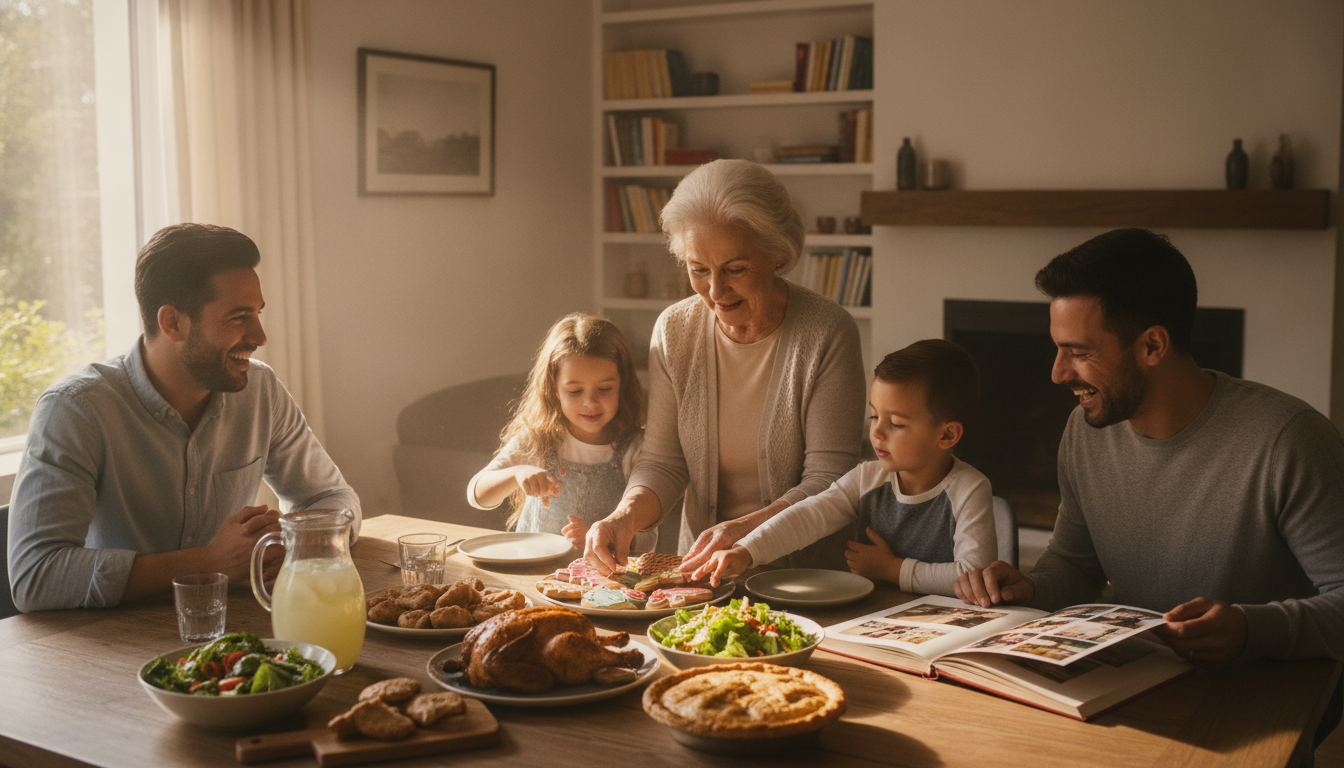
Family traditions are an important part of our lives and influence the formation of our identity. They create a connection between generations, transmit values, and help us realize who we are. In this article, we will explore how family traditions shape our identity and why they are so important in everyone’s life.
What Are Family Traditions?
Family traditions are customs, rituals, and practices that are passed down from generation to generation within a family. They can include celebrations, family gatherings, special dishes that are only prepared on holidays, or specific rituals that take place during significant life events, such as birthdays or weddings.
How Family Traditions Influence Identity
Family traditions influence our identity in several ways:
- Creating a Sense of Belonging: Traditions strengthen the bond among family members and create a sense of unity. When we participate in family rituals, we feel part of something bigger.
- Transmitting Values and Norms: Traditions help convey important values and beliefs. For example, if helping others is a norm in your family, you are likely to develop a similar value system.
- Forming Memories: Family traditions create memories that stay with us for a lifetime. These memories can form the basis of our identity and influence our choices and behaviors in the future.
- Connection to Culture: Traditions often reflect cultural characteristics and customs, helping us understand and embrace our cultural identity.
Examples of Family Traditions
Family traditions can take various forms. Here are some examples:
- Shared meals on weekends, where the whole family gathers around one table.
- Hosting special events, such as New Year’s parties or birthdays with specific rituals.
- Traveling or visiting certain places that hold significance for the family.
- Creating a family album or chronicle that records important events and moments.
Scientific Research on the Influence of Traditions on Identity
Research shows that participation in family traditions positively affects the psychological well-being of family members. For instance, a study conducted at Brigham Young University found that children who engage in family rituals have higher self-esteem and feel happier.
Additionally, studies indicate that families that actively uphold their traditions have stronger bonds and fewer conflicts. This may be due to the fact that traditions create a space for communication and shared activities.
Conclusion
Family traditions play a crucial role in shaping our identity. They foster a sense of belonging, transmit values, and create memories that stay with us for a lifetime. Engaging in family rituals allows us to strengthen connections with loved ones and understand who we are as individuals.
Frequently Asked Questions
How to Start Family Traditions?
Begin with simple rituals, such as shared meals or walks. Gradually add new elements that will be meaningful to your family.
How to Preserve Family Traditions Over Time?
Regularly discuss traditions with family members and adapt them to keep them relevant for everyone. It is important for each generation to feel their connection to the traditions.
Why Are Family Traditions Important for Children?
Family traditions help children develop a sense of belonging, shape their values, and create positive memories that influence their self-esteem and emotional well-being.
This article is for informational purposes only and does not replace consultation with a qualified specialist. Prepared by the editorial team of Loqos Jurnal with the assistance of AI.