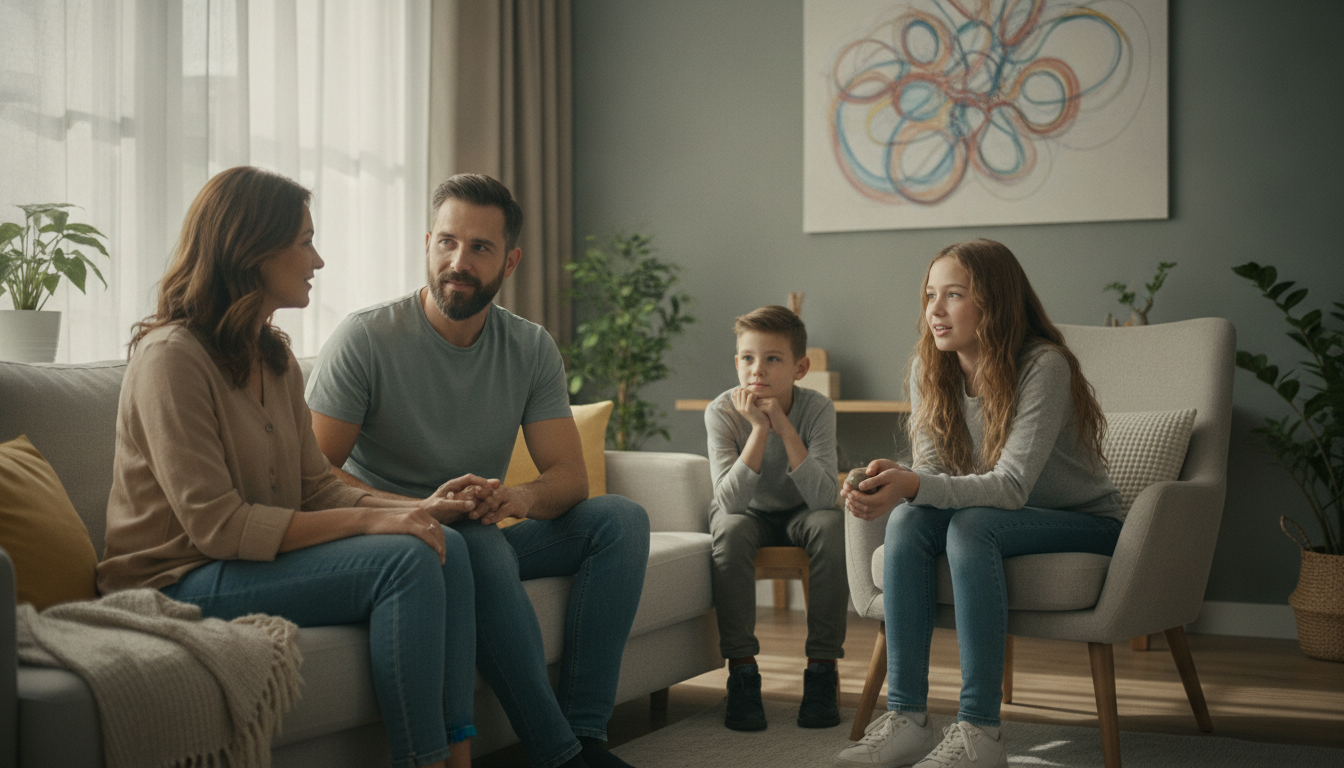
Effective strategies for improving family communication can significantly change the dynamics within a family. Well-established communication helps avoid misunderstandings, strengthens bonds, and creates an atmosphere of trust. In this article, we will explore several simple yet effective approaches that can help you and your loved ones better understand each other.
1. Active Listening
Active listening is a technique that involves giving your full attention to the speaker. It’s not just waiting for your turn to speak. It’s important to focus on the words, tone, and non-verbal signals of the speaker. Here are a few steps for active listening:
- Maintain eye contact: This shows that you are engaged in the conversation.
- Don’t interrupt: Allow the speaker to finish their thoughts before you start talking.
- Reflect feelings: Use phrases like “I understand how you feel…” to show support.
2. Openness and Honesty
Honest and open communication is the foundation of strong family relationships. Sharing your thoughts and feelings creates an atmosphere of trust. Try these methods to enhance openness:
- Talk about your feelings: Don’t be afraid to share your experiences, even if they are difficult.
- Encourage honesty: Create a space where everyone can speak without fear of judgment.
- Regular family meetings: Set aside time to discuss any issues or questions that may arise.
3. Using “I-Statements”
To reduce conflicts, it is helpful to use “I-statements.” This is a way to express your feelings without placing blame. Instead of saying, “You are always late,” you can say, “I feel upset when you don’t arrive on time because it makes me feel unimportant.” Such phrasing helps avoid defensive reactions.
4. Emotional Support
Supporting each other during tough times strengthens family bonds. It’s important to show that you are willing to listen and provide support. Here’s how to do it:
- Ask about feelings: Regularly check in on how each family member is doing and what concerns them.
- Offer help: If someone is facing difficulties, offer your assistance or simply be there for them.
- Celebrate achievements: Don’t forget to celebrate each other’s successes, even the small ones.
5. Respect for Personal Space
Everyone needs personal space and time alone. Respecting this space helps prevent conflicts and improves the overall mood in the family. Make sure everyone has the opportunity to relax and pursue their interests.
Frequently Asked Questions
What are the main signs of poor family communication?
The main signs include frequent misunderstandings, conflicts, lack of trust, and reluctance to openly discuss issues.
How can I learn active listening?
Practice active listening with loved ones by focusing on their words and responding based on what they have said.
What should I do if conflicts arise during communication?
Try using “I-statements” and avoid accusations. If the conflict continues to escalate, take a break and discuss the situation later.
How can I create an atmosphere of trust in the family?
Strive to be honest and open, share your feelings, and encourage others to do the same.
These tips can help you improve family communication, but in serious difficulties, don’t forget to seek help from qualified professionals. This article was prepared by the editorial team of Loqos Jurnal with the assistance of AI.