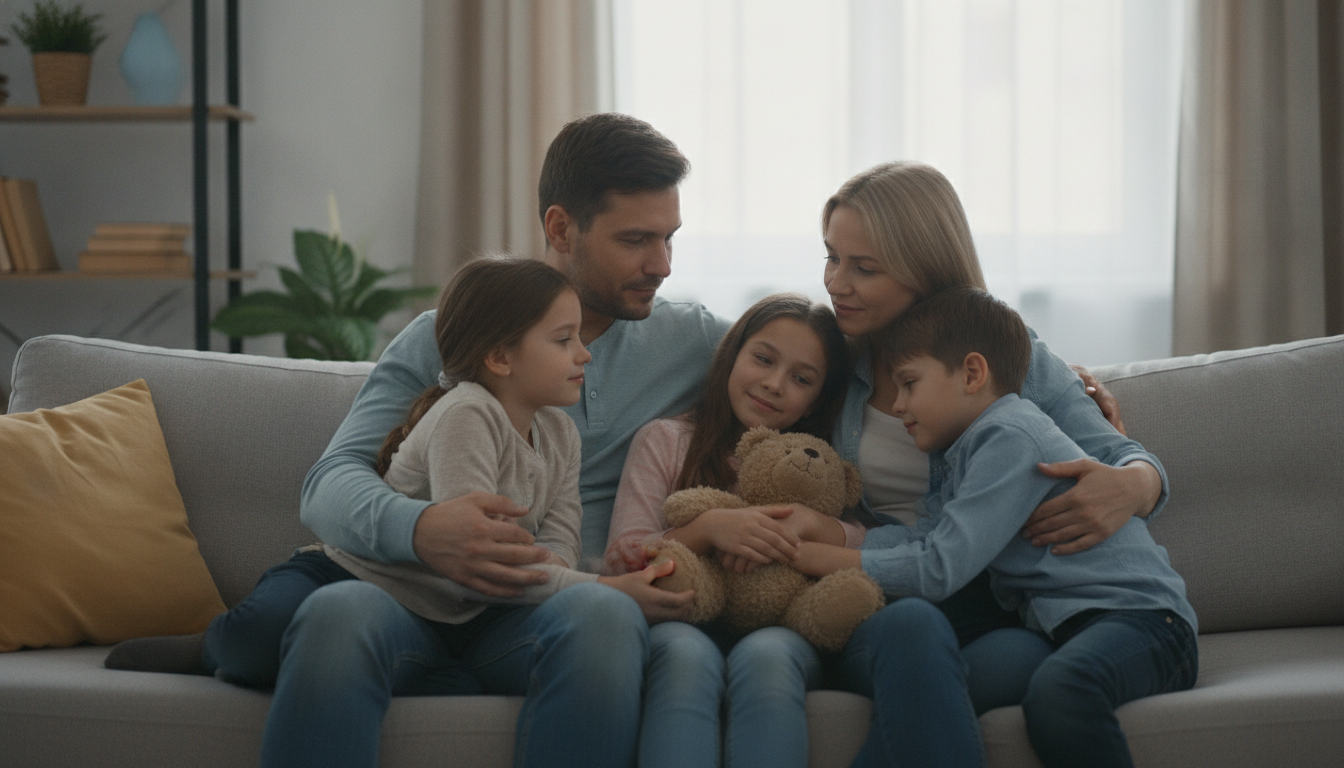
Divorce is a complex process that can significantly impact children. It is important to understand how to help children cope with changes so they can adapt and maintain emotional well-being. In this article, we will explore the main consequences of divorce and offer practical advice for parents.
Psychological Consequences of Divorce
Children may experience a wide range of emotions as a result of their parents’ divorce. These feelings can vary from anger and sadness to fear and confusion. Research shows that divorce can lead to:
- decreased self-esteem;
- academic difficulties;
- problems in relationships with peers;
- increased levels of anxiety and depression.
Factors Influencing Children’s Adaptation
The ability of children to cope with divorce depends on several factors:
- Age: Younger children may not fully understand what is happening, while teenagers may perceive divorce as a personal failure.
- Parental Support: Emotional support and open communication help children adapt more easily.
- Level of Conflict: High levels of conflict between parents exacerbate stress for children.
How to Help Children Cope with Divorce
Here are some tips for parents who want to support their children during this challenging time:
1. Open Communication
It is important to talk to children about the divorce and what it means for them. Use accessible language and answer their questions. Children should feel that they can discuss their feelings and experiences.
2. Ensure Stability
Stability and predictability in children’s lives can help reduce their anxiety levels. Try to maintain a familiar daily routine, including activities, schoolwork, and downtime.
3. Emotional Support
Listen to your children and let them know that their feelings are normal. Show them that you are there and ready to support them. It may be worth considering working with a psychologist for children so they can express their feelings in a safe environment.
4. Avoid Conflict in Front of Children
Try to resolve disagreements with your ex-partner without involving the children. Conflict, especially in their presence, can lead to feelings of guilt and anxiety.
5. Maintain Connections with Both Parents
It is important for children to continue to have contact with both parents, if possible. This will help them feel loved and supported.
Frequently Asked Questions
How can I tell if my child is suffering from the divorce?
Pay attention to changes in behavior, such as a sudden drop in academic performance, mood swings, or problems with friends.
Should I talk to my children about the divorce?
Yes, it is important to explain to children what is happening, using language they can understand and answering their questions.
When should I seek a psychologist?
If you notice that your child is experiencing significant stress, anxiety, or depression, consider seeking help from a professional.
How can I help my child adapt to the new circumstances?
Maintain stability in your child’s life, communicate with them, and provide emotional support.
This article is for informational purposes and does not replace consultation with a qualified specialist. Prepared by the editorial team of Loqos Jurnal with the assistance of AI.