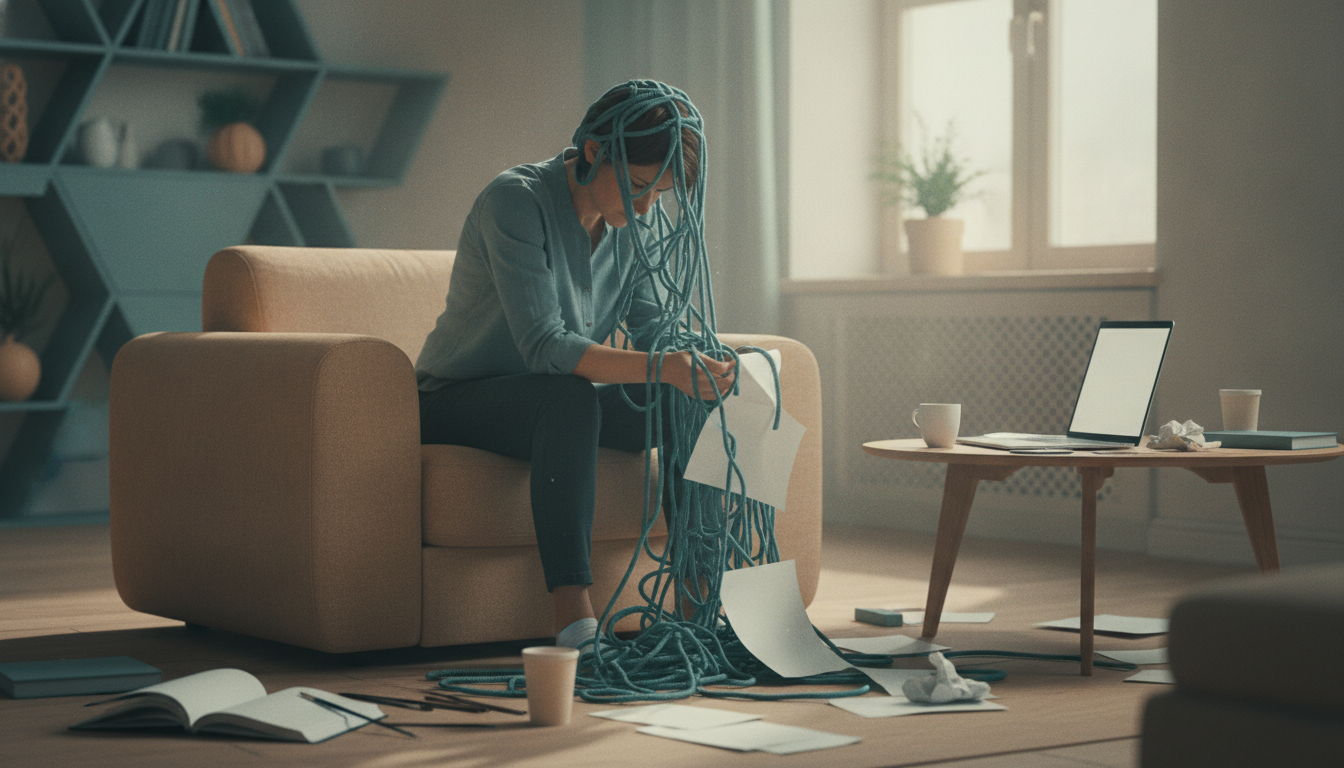
Emotional burnout is a state that arises from chronic stress and overload, characterized by physical, emotional, and mental exhaustion. It can affect both personal and professional life. It is essential to know how to recognize its symptoms and take steps for recovery.
What is Emotional Burnout?
Emotional burnout is not just fatigue. It affects your overall well-being, attitude towards work, and relationships with loved ones. This condition is most commonly observed in individuals working in professions with high emotional demands, such as doctors, teachers, social workers, and many others.
Symptoms of Emotional Burnout
Emotional burnout can be recognized by a number of characteristic signs:
- Constant fatigue and lack of energy.
- Cynical attitude towards work and life.
- Feelings of uselessness and inefficacy.
- Sleep problems.
- Physical symptoms such as headaches or gastrointestinal disorders.
Causes of Burnout
Emotional burnout can occur for several reasons. Here are the main ones:
- Chronic work stress.
- Lack of support from colleagues and management.
- Excessive workloads.
- Dissatisfaction with work or life in general.
How to Recover from Emotional Burnout?
Recovery from emotional burnout requires time and effort. Here are some strategies that may help:
- Seek support. Talk to colleagues, friends, or even a professional psychologist.
- Set boundaries. Learn to say “no” and avoid overloading yourself with additional responsibilities.
- Take care of your health. Regular physical exercise, sufficient sleep, and healthy nutrition play a crucial role in recovery.
- Practice relaxation. Meditation, yoga, and breathing exercises can help reduce stress levels.
Preventing Emotional Burnout
It is better to prevent emotional burnout than to recover from it later. Consider the following recommendations:
- Take regular breaks. Make time for yourself and take breaks from work.
- Engage in social activities. Interacting with friends and loved ones helps reduce stress levels.
- Develop hobbies. Engaging in activities you love can bring joy back to your life.
Frequently Asked Questions
How long can emotional burnout last?
The duration of emotional burnout can vary from a few weeks to several months, depending on the level of stress and the recovery measures taken.
Can emotional burnout be avoided?
Yes, regular breaks, support from colleagues and loved ones, and the ability to manage your time can help prevent burnout.
When should I seek professional help?
If you feel that you cannot cope with the symptoms of burnout on your own, it is advisable to consult a psychologist or psychotherapist.
How to distinguish burnout from depression?
Burnout is primarily related to professional activity and may improve with changes in work or conditions. Depression, on the other hand, affects all areas of life and requires a more serious approach to treatment.
This information is for informational purposes only and does not replace consultation with a qualified specialist. Prepared by the Loqos Jurnal editorial team with the help of AI.